
Laboratorio di Fisiologia Vegetale
Multiple genetic approach to identify italian rocket resilient to climate change (Rucol-ITA)
PRIN: PROGETTI DI RICERCA DI RILEVANTE INTERESSE NAZIONALE – Bando 2022 PNRR
Partners
- Research Unit CNR-IBPM (Coordinator): Dr. Alice PAJORO, Consiglio Nazionale delle Ricerche, Istituto di Biologia e Patologia Molecolari.
- Research Unit UniFi: Dr. Ilaria COLZI and Dr. Nadia BAZIHIZINA, Università degli Studi di Firenze, Dipartimento di Biologia.
- Research Unit UniSap: Prof. Luigi FAINO, Università di Roma Sapienza, Dipartimento di Biologia Ambientale.
Summary of the project
Leafy vegetables have an important role in the human diet. In the last two decades, companies have started to commercialize a number of ready-to-eat salads which are made of a variety of baby-leaf vegetables including rocket, valerian, lettuce and spinach. Rocket (Diplotaxis tenuifolia) is the most common leafy plant used in already prepared salads due to its taste and nutraceutical feature. Rocket is distinguishable by other leafy vegetables for the pungent taste which is due to the accumulation of glucosinolates and flavanols. Italy is the main producer in Europe and, “Piana del Sele” (SA; Campania) alone produces almost 90% of the consumed rocket. However, climate change is strongly threatening rocket cultivation. In fact, the increase in ambient temperature causes premature flowering in summer and early falls, which leads to loss in leaf production. Moreover, higher temperatures have an impact on susceptibility to pathogens. Additionally, salinity of the soil, which is already high in “Piana del Sele” due to the proximity to the sea, is another problem that growers need to face in the coming years.
Despite the economic value of rocket in Italy, the effort to generate varieties more suitable to the local growing environment is poor. Therefore, there is the urgent need to select rocket varieties that are more resilient to climate change and could lead to higher yield.
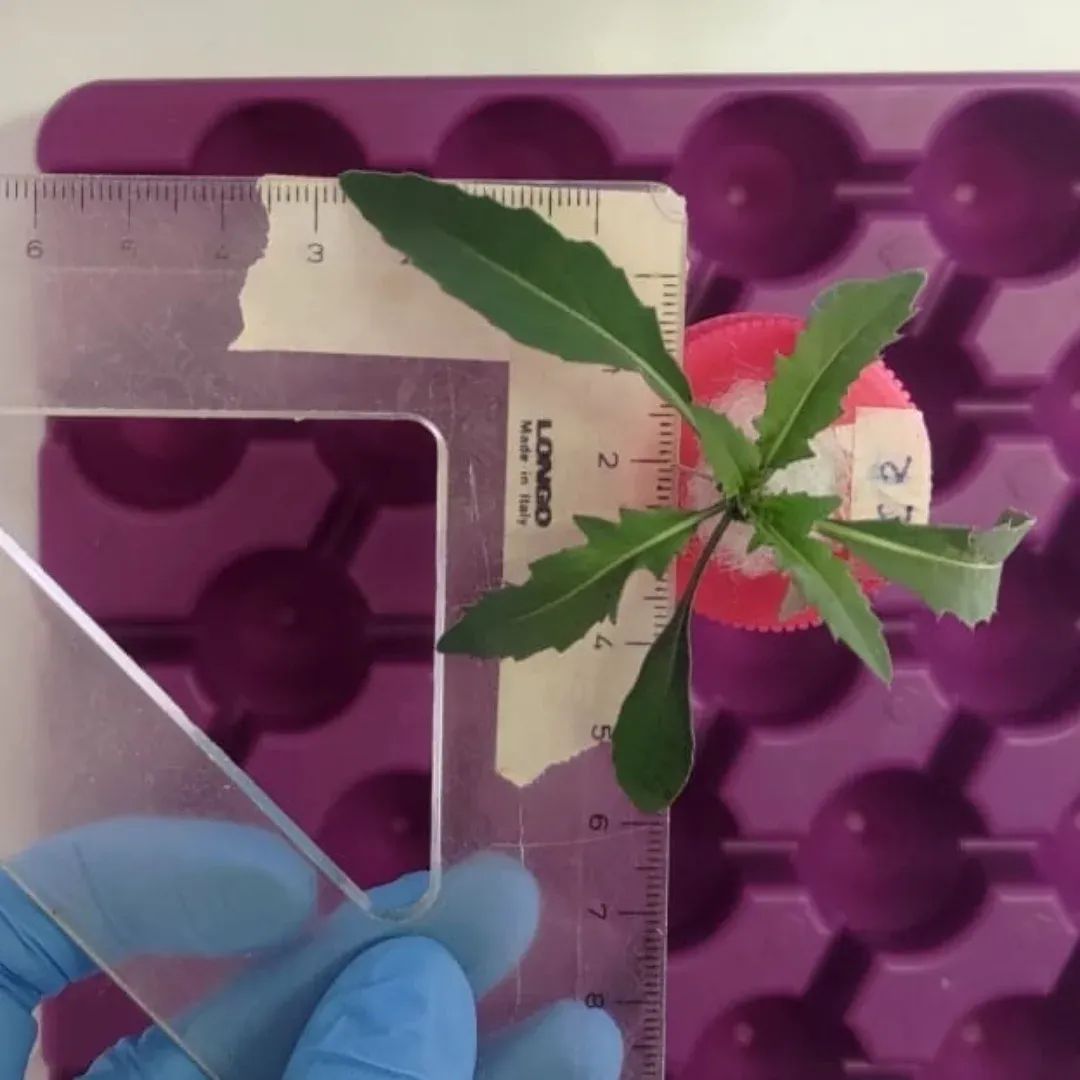
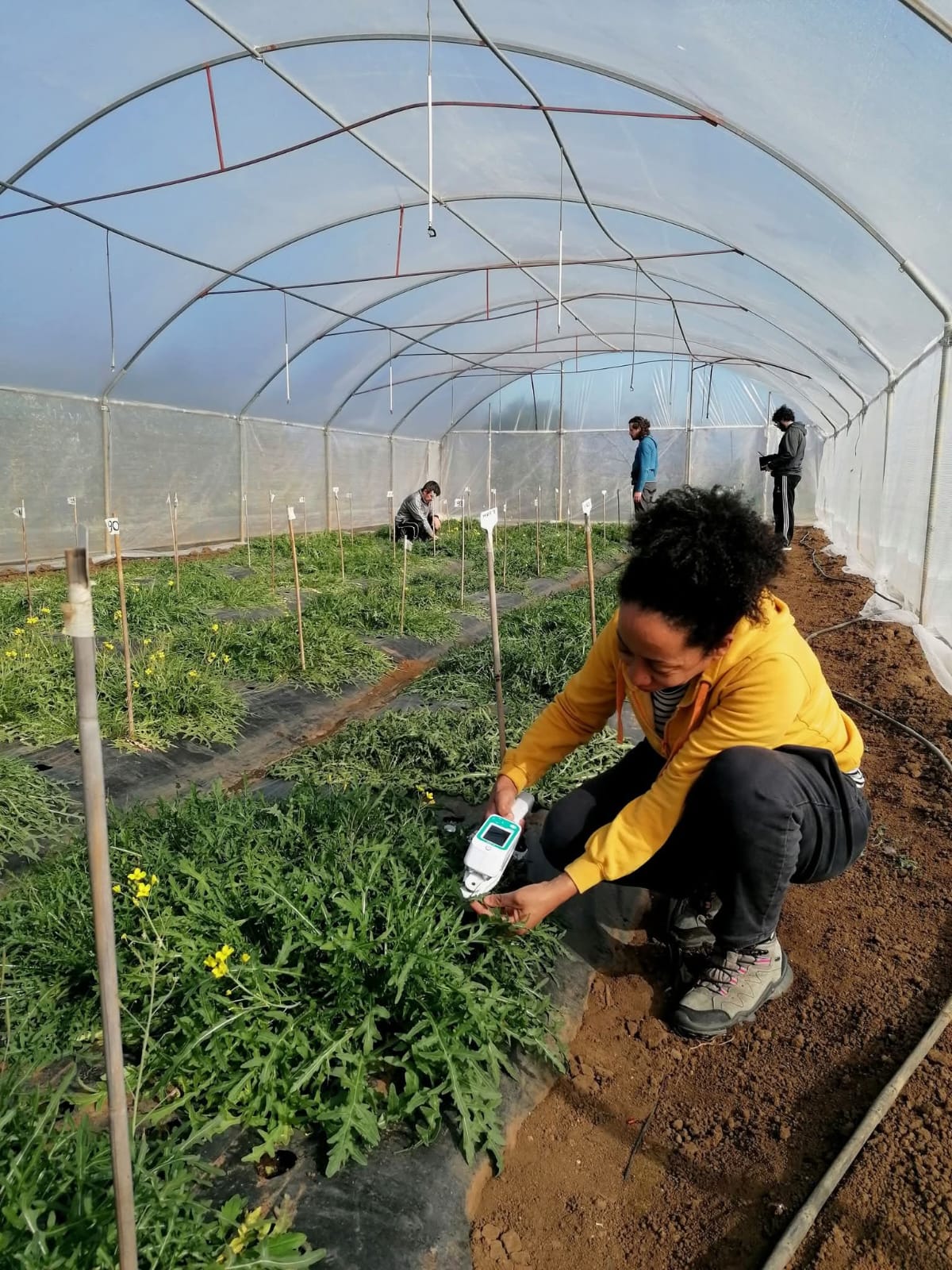
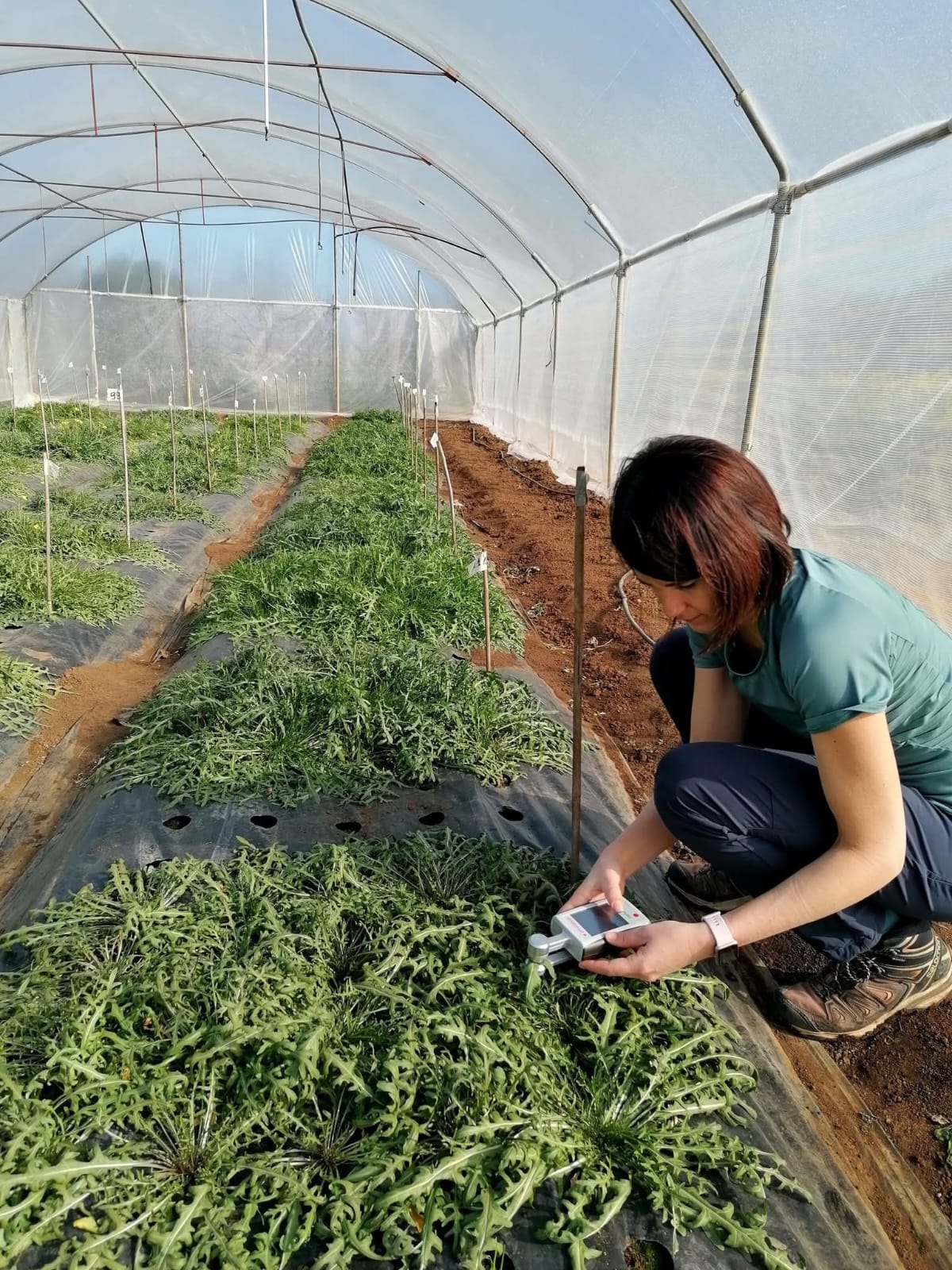
In this project, we aim to identify D. tenuifolia genotypes with higher leaves production, more resistant to pathogens and more tolerant to salt implementing multiple genetic approaches. Genetic improvement of D. tenuifolia represents a great strategy to obtain varieties more suitable to the Italian local cultivation climate. A chemical mutagenesis approach has been chosen to generate genetic variability because plants caring mutations are usable in conventional and organic agriculture practices. The chemically mutagenized population was screened implementing forward and reverse genetic approaches. We cultivated the population in the naturally growing environment with the help of two local companies and we selected lines with better agronomic traits. We used knowledge from Arabidopsis thaliana to improve disease resistance by targeting known susceptible genes and improve leaf yield by delaying flowering time. Indeed D. tenuifolia belongs to the Brassicaceae family as A. thaliana, increasing the success of a translational biology approach. Finally, a protocol for targeted gene editing was developed.
The diversified strategies applied in the project maximized the success ensuring the reach the goal of the project: the identification of new varieties more suitable for the cultivation in Italy.
.jpeg)